
November 2026
Vic Davis & Associates
2026 – NOVEMBER BENCH JEWELER “NEWSLETTER”
🦃 Did you know… November is when we spend hours preparing a meal that disappears in about twenty minutes? Anyone who has spent an afternoon repairing a chain and heard, “Well, that looks easy,” can probably relate.
🍂 Did you know… November is when the trees really commit to letting things go? Meanwhile, some of us still have a drawer full of parts we’re keeping because “I might need that someday.”
💎 Did you know… November has two birthstones: topaz and citrine? Apparently, choosing between pumpkin pie and pecan pie wasn’t enough. November likes to keep its options open.
📅 Did you know… November is when “there’s still plenty of time” starts sounding a little less convincing? Especially when you’re looking at the calendar… and then looking at the repair envelopes.
🥧 Did you know… Thanksgiving leftovers can require more planning than Thanksgiving dinner? Finding the right lid for every container takes patience, persistence, and a willingness to admit that the piece you need may have disappeared years ago. Jewelers know the feeling.
🛍️ Did you know… November is when people get up before sunrise to save money on things they didn’t know they needed? Of course, anyone who has ever opened a new tool catalog probably shouldn’t judge too quickly.
☕ Did you know… November is a wonderful month for enjoying a hot cup of coffee? Or, if you work at the bench, setting one down, getting distracted, and discovering it again at room temperature.
🧣 Did you know… sweater weather comes with pockets, sleeves, and scarves that seem determined to find every loose prong? Sometimes a favorite sweater gives a customer one more reason to stop by the jewelry store.
🔨 Did you know… November is when “I’m getting an early start this year” becomes a popular phrase? It’s usually followed by someone reaching into a bag and saying, “I’ve been meaning to bring these in since March.”
🤝 Did you know… November gives us a good reason to thank the people who make our days a little easier? The coworker who lends a hand, the supplier who follows through, or the customer who says, “I appreciate you taking the time.” Those things can mean more than people realize.
Things to ponder…..
Some of Your Best Work Will Never Be Noticed
A secure setting, a smooth edge, a repair that blends in so well no one can find it. Sometimes doing something well means people never notice what you corrected. There is quiet satisfaction in knowing you took the time to get it right.
Gratitude Doesn’t Have to Be a Big Production
You don’t need a special occasion or the perfect words to thank someone. A simple “I appreciate your help” can make an ordinary day better. If someone’s effort has made a difference to you, let them know.
A Full Schedule Still Needs a Little Breathing Room
As the holidays get closer, it’s easy to treat every open minute as room for one more job. Leave yourself a little space to think, check your work, and catch your breath. Patience is easier to give when you haven’t used every bit of it getting through the day.
Why Skilled Tradespeople Will Always Have a Place in the Jewelry Industry
In an increasingly automated world, the value of human skill, experience, and craftsmanship has never been more important.
Technology is changing nearly every aspect of the way we work, and the jewelry industry is no exception.
Artificial intelligence (AI), automation, computer-aided design (CAD), 3D printing, and advanced machinery are becoming increasingly common throughout the industry. These advancements offer exciting opportunities, improve efficiency, and allow businesses to accomplish things that would have been difficult or impossible just a few years ago.
But even as technology continues to evolve, one thing remains certain: there is no easy replacement for the experience, judgment, creativity, and craftsmanship of a highly skilled tradesperson.
The Importance of Hands-On Experience
Consider the work of a professional bench jeweler.
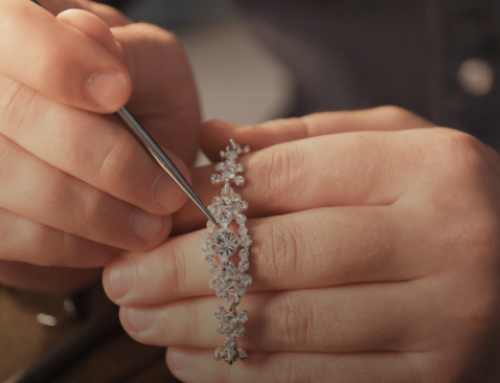
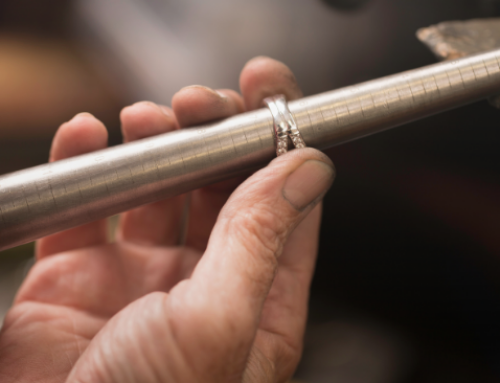
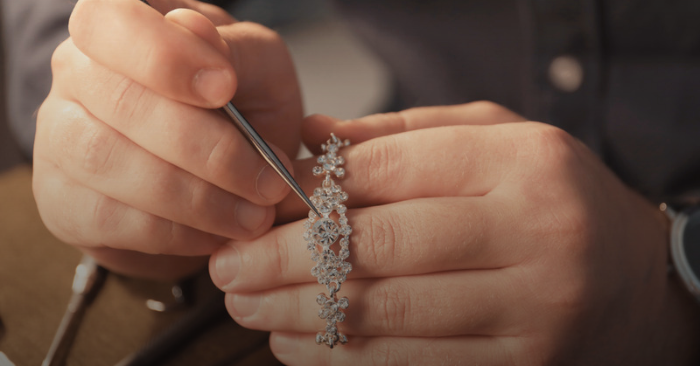
A computer can help design a beautiful ring, and a 3D printer can produce a model. However, it still takes a knowledgeable and experienced jeweler to evaluate the piece, make necessary adjustments, set stones properly, perform delicate repairs, and ensure the finished product meets the highest standards of quality.
Every piece of jewelry presents its own unique challenges. Knowing how to recognize potential problems and determine the best solution comes from years of hands-on experience.
The same is true for professional watchmakers.
Modern equipment can assist with diagnostics and precision measurements, but understanding the intricate workings of a timepiece requires specialized knowledge. Identifying problems, performing delicate repairs, and restoring a valuable watch still depend on a watchmaker’s experience, technical ability, and steady hand.
These are skills developed through years of training and practice.
Technology Is a Tool, Not a Replacement for Talent
One of the biggest misconceptions about automation is that it eliminates the need for skilled workers.
In reality, technology often makes experienced employees even more valuable.
The people who understand how to operate new equipment, recognize when something isn’t right, troubleshoot problems, and apply their knowledge to achieve the best possible results will continue to be in demand.
Technology can improve the process, but it still takes skilled individuals to understand the work and ensure the results meet professional standards.
The most successful jewelry businesses will be those that recognize the value of combining modern technology with traditional craftsmanship.
Why Customers Still Value Craftsmanship
There is another important part of craftsmanship that cannot be measured by production numbers or efficiency reports: customer confidence.
People want quality, attention to detail, and the reassurance that their treasured jewelry is being handled by someone who understands the trade.
An engagement ring, a family heirloom, or a valuable timepiece often carries sentimental value that goes far beyond its monetary worth.
Customers want to know that the person working on these important pieces takes pride in doing the job correctly.
That level of care, personal responsibility, and attention to detail is what separates skilled craftsmanship from simply completing a task.
Developing the Next Generation of Skilled Tradespeople
One of the biggest challenges facing the jewelry industry is attracting and developing the next generation of skilled tradespeople.
Experienced bench jewelers and watchmakers are valuable resources, and passing their knowledge along to younger employees is essential to keeping these professions strong.
Learning a specialized trade takes time. It requires patience, practice, dedication, and a willingness to make mistakes, learn from them, and continually improve.
There are no shortcuts to becoming truly proficient at a specialized craft.
Businesses that invest in training, mentorship, and professional development will play an important role in preserving these skills for future generations.
The knowledge gained through years of experience should never be taken for granted. It is one of the industry’s most valuable assets.
Why Now Is the Time to Invest in Your Skills
For those already working in the jewelry industry, this is an excellent time to continue investing in professional development.
Consider taking steps to:
- Continue improving your technical and hands-on skills.
- Become familiar with new technologies and equipment.
- Learn how modern tools can complement traditional craftsmanship.
- Share your knowledge and experience with newer employees.
- Stay curious and look for opportunities to improve your workmanship.
The combination of traditional craftsmanship and modern technology may be one of the greatest advantages an employee can bring to an employer.
Those who are willing to adapt, continue learning, and build upon their existing experience will be well-positioned as the industry continues to change.
The Future of the Jewelry Industry Depends on Skilled People
Machines can improve efficiency. Computers can assist with design. Artificial intelligence can provide information and help streamline certain processes.
But skilled people bring something more to the job: knowledge, judgment, creativity, problem-solving ability, and pride in their work.
The jewelry industry will continue to evolve, and new technologies will undoubtedly change the way many tasks are performed.
However, there will always be a place for talented individuals who know how to turn raw materials, intricate designs, and challenging repairs into exceptional workmanship.
Technology may change how the jewelry industry operates, but it is the people behind the craftsmanship who will continue to make it special.







Leave A Comment